The Thrill of the Game: Adrenaline and Emotion
The excitement of casino gaming is fundamentally tied to the release of adrenaline, a hormone that drives the body’s fight-or-flight response. When players engage in gaming activities, especially in high-stakes scenarios, their bodies react with increased heart rates and heightened senses. This rush is not only invigorating but also addictive, as players seek out the thrill that comes from the potential for unexpected wins, which can be explored further at https://attitudeshayarii.in/ that focuses on the intoxicating blend of suspense and possibility creates a unique emotional landscape where the potential for victory can overshadow the actual odds of success. This adrenaline surge can lead players to make decisions they might not consider in calmer situations, reinforcing their engagement in the gaming experience.
Moreover, the emotional aspect of gambling stretches beyond the immediate thrill. Players often feel a sense of hope and anticipation, which reinforces their desire to continue playing. Feelings of joy can accompany winning, while losses can evoke sadness or frustration. This rollercoaster of emotions can contribute to a phenomenon known as “loss chasing,” where players are driven to keep playing in hopes of recovering lost money. This emotional engagement is pivotal, as it leads to a cycle that can trap individuals in prolonged gaming sessions despite negative outcomes. The psychological impact of both winning and losing plays a crucial role in shaping gambling behavior over time.
The design of casino environments amplifies these emotional responses. With vibrant colors, engaging sounds, and enticing visuals, these spaces are carefully curated to keep players in a heightened state of excitement. The emotional stimulation from flashing lights and celebratory sounds during wins creates a captivating atmosphere that can be hard to resist. As a result, individuals may find themselves losing track of time and money, deeply absorbed in the experience, which further emphasizes the impact of psychological factors in casino gaming. This environment is intentionally designed to keep players engaged, often leading them to ignore their financial limits and personal thresholds.
Cognitive Biases and Decision-Making in Gambling
Cognitive biases play a significant role in how players perceive risk and make decisions when gambling. One of the most prevalent biases is the “gambler’s fallacy,” where individuals mistakenly believe that past outcomes affect future probabilities. For instance, if a player observes that a certain number has not been rolled in a while, they may feel it is “due” to appear. Such cognitive distortions can lead to irrational betting behaviors, as players fail to understand the independent nature of each game or spin. This misunderstanding of probability can result in increased betting and a disregard for statistical realities.
Another cognitive bias is the illusion of control, where players believe they can influence outcomes through skill or strategies, even in games purely driven by chance. This belief can give players a false sense of confidence, prompting them to wager larger amounts. For example, in games like roulette or slot machines, players may think they can time their bets or predict outcomes based on previous plays. This misunderstanding of probability can lead to increased gambling behavior, driven by a desire to reinforce their perceived ability to control the outcome. The allure of seeming mastery can create a compelling, yet ultimately deceptive, narrative for players.

The concept of near misses also contributes to cognitive biases in gambling. Players often feel encouraged by outcomes that are close to winning, such as just missing a jackpot. These near misses can psychologically reinforce the behavior, leading players to believe that victory is just within reach. Casinos exploit this by designing games that frequently produce near misses, thereby encouraging continued play. Understanding these cognitive biases is essential for recognizing the psychological complexities of gambling and its addictive potential. This awareness can help individuals identify harmful patterns in their gambling behavior and motivate them to seek healthier alternatives.
Social Factors Influencing Gambling Behavior
Social influences significantly shape the experience of casino gaming, often affecting individuals’ motivations and behaviors. Gambling can be a social activity, where players come together to share in the excitement and camaraderie of the gaming experience. The presence of friends or family members can amplify the thrill, as players engage in discussions about strategies, celebrate wins, and console each other after losses. This social environment creates a sense of community, making the casino an appealing destination for entertainment. The shared experience can enhance emotional responses, creating stronger bonds among participants.
The influence of peer pressure also cannot be overlooked. In social settings, individuals might feel compelled to gamble to fit in or to avoid appearing disengaged. This can lead to an escalation in gambling behavior, especially among younger adults who may be more susceptible to social cues. The desire for social acceptance can significantly impact decision-making, often pushing individuals to place larger bets than they would if they were alone. Consequently, the social facets of gambling can have both positive and negative repercussions on individual behavior. The dynamic interplay of social norms and personal choices makes gambling a complex phenomenon.
Furthermore, social media has introduced a new dimension to gambling behavior. With the proliferation of online platforms, players can share their gambling experiences, including victories and losses, with a wide audience. This sharing can create a sense of competition or belonging, motivating individuals to engage in gaming activities. Additionally, promotional offers and advertisements on social media often target specific demographics, amplifying the desire to participate. As social dynamics continue to evolve, their impact on gambling psychology will be an important area of exploration. This changing landscape raises questions about how social acceptance and digital interactions influence gambling habits.
The Role of Cognitive Dissonance in Gambling Choices
Cognitive dissonance is a psychological theory that explains the discomfort experienced when holding conflicting beliefs or engaging in contradictory behaviors. In the context of gambling, players may experience dissonance after incurring significant losses. For instance, they might grapple with the decision of whether to continue playing to win back their losses or to walk away. This internal conflict can lead to justifications for continued gambling, such as believing that the next round could yield a win, creating further dissonance between their beliefs and actions. The mental struggle involved in this decision-making process can be profound and emotionally taxing.
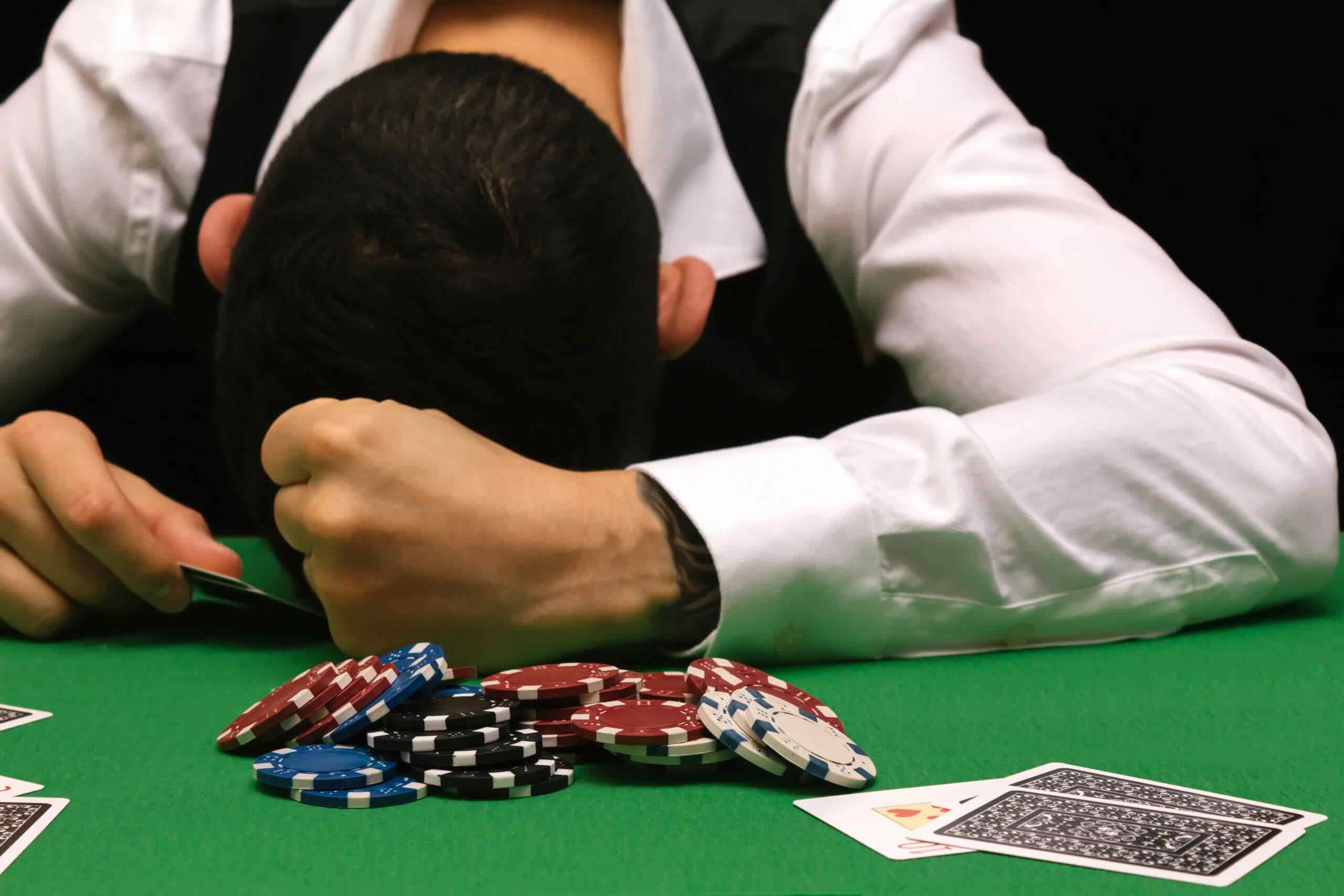
The concept of sunk cost fallacy further complicates this psychological state. Players may feel compelled to keep betting because they have already invested a considerable amount of time or money, leading them to ignore the reality of their situation. This logical fallacy can cloud judgment, compelling players to chase losses with even greater stakes. The emotional turmoil associated with cognitive dissonance often prevents individuals from making rational decisions, perpetuating a cycle of gambling that is hard to break. Recognizing this phenomenon can be crucial for individuals who find themselves caught in the throes of gambling addiction.
Addressing cognitive dissonance in the gambling context requires awareness and introspection. Recognizing the gaps between beliefs and behaviors can empower players to make more informed choices. However, it also involves navigating the emotional landscape of loss and regret. Educating players about the nature of gambling and the psychological mechanisms at play is crucial for fostering a healthier approach to gaming that prioritizes responsible behavior over impulsive decisions driven by internal conflicts. By promoting self-reflection and informed decision-making, individuals can mitigate the adverse effects of cognitive dissonance in gambling.
Understanding Gambling Behavior Through Research and Resources
Research into the psychology of gambling is essential for understanding its impact and for developing effective prevention and intervention strategies. Numerous studies have explored various aspects of gambling behavior, including motivations for playing, the psychological effects of wins and losses, and the role of addiction in gaming. This body of research provides valuable insights into the complex interplay of factors that influence gambling behavior, allowing stakeholders to address issues and promote responsible gambling practices. By understanding these dynamics, researchers can contribute to the development of policies aimed at minimizing gambling-related harm.
Resources such as counseling services, support groups, and educational programs play a vital role in helping individuals manage their gambling behaviors. By providing information on the psychological aspects of gambling, these resources can enhance understanding and awareness among players. For example, workshops that focus on understanding cognitive biases or the emotional responses triggered during gaming can empower individuals to recognize when they are at risk of developing unhealthy gambling habits. Moreover, integrating psychological concepts into treatment plans can facilitate recovery for those struggling with addiction. This holistic approach can create a supportive environment for individuals seeking help.
As the dynamics of gambling continue to evolve, ongoing research and the development of effective resources will remain crucial. The internet and technological advancements have transformed the gambling landscape, necessitating fresh approaches to understanding and managing gambling behaviors. Comprehensive research and community resources are essential for creating an informed public that can engage with gaming responsibly while minimizing risks associated with gambling addiction. As awareness grows, it is imperative for society to support ongoing research and educational initiatives that promote healthier gambling practices.